Moving In Together: What Nobody Actually Tells You Before You Do It
Moving In Together Sounds Exciting Until You Realise You’re Also Moving Two Entire Homes
Moving in together is often seen as one of the most exciting milestones in a relationship. It marks the beginning of a new chapter where two people stop splitting their time between separate homes and start building a shared life under one roof. Most couples spend weeks discussing the location, the lease, the budget, and how they imagine their future home looking. What very few people talk about is the practical reality that moving in together is not just about bringing two people together. It is about combining two complete households into a single space. Suddenly there are two sofas, two beds, two televisions, two desks, two dining tables, multiple bookshelves, countless kitchen appliances, and enough household items to furnish several rooms. While the relationship side of moving in together receives plenty of attention, the logistics side is often underestimated. In reality, the biggest challenges usually begin once you start figuring out how to move, transport, store, sell, donate, or rearrange everything you both own.
The Biggest Surprise Is How Much Furniture Needs To Be Moved
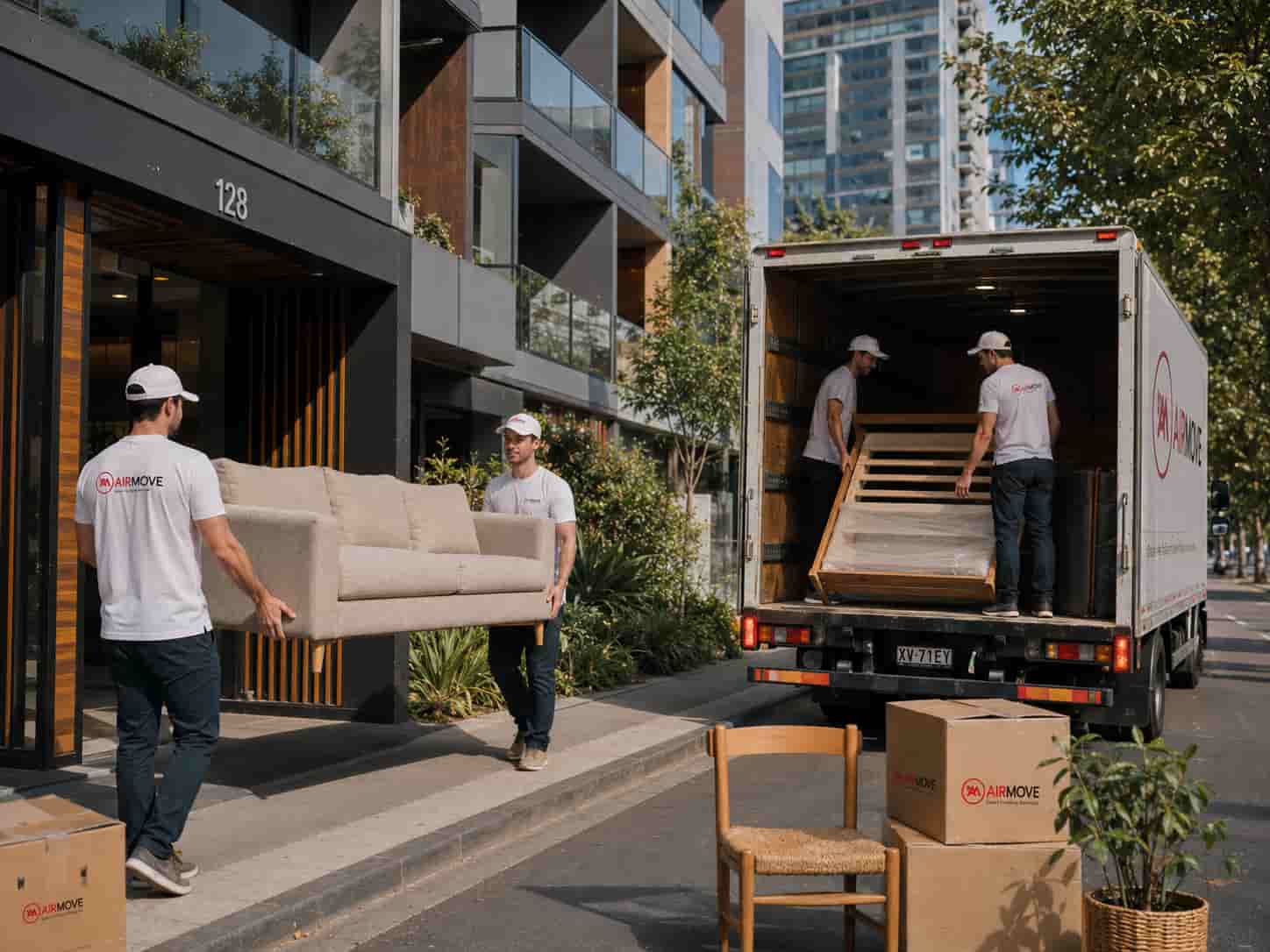
Most people assume that moving in together is a smaller version of moving house. In many cases, it is actually more complicated. Instead of moving everything from one property into another, you are often coordinating furniture and belongings from two completely different locations. One partner may be moving from an apartment in the city while the other is moving from a share house in the suburbs. Some items may even be stored in a garage, storage unit, or family home. Suddenly, moving day involves multiple pickup locations, different access requirements, various collection times, and furniture that cannot simply be loaded into a standard vehicle. This is the point where many couples realise that transporting furniture is not the simple task they originally imagined. Beds need to be dismantled, dining tables need protection during transport, sofas need to fit through hallways, and bulky appliances require safe handling. The challenge is not deciding where everything goes. The challenge is getting everything there in the first place.
Why Furniture Transport Becomes The Most Stressful Part Of The Move
Boxes are usually the easy part. Most people can move clothing, personal items, and smaller household belongings using their own vehicle. Large furniture is where complications begin. Sofas, wardrobes, bed frames, refrigerators, washing machines, dining tables, entertainment units, office desks, and shelving systems require significantly more planning. Many couples try to solve this problem by borrowing a friend’s ute, hiring a trailer, or making multiple trips across Melbourne. Unfortunately, these solutions often create additional stress. Multiple trips consume an entire weekend, furniture can be damaged during loading and unloading, and coordinating help from friends is not always reliable. The reality is that large furniture requires proper transportation and handling. This is why more couples are choosing practical furniture transport solutions rather than trying to manage everything themselves.
Why Airmove Is Ideal For Couples Moving In Together
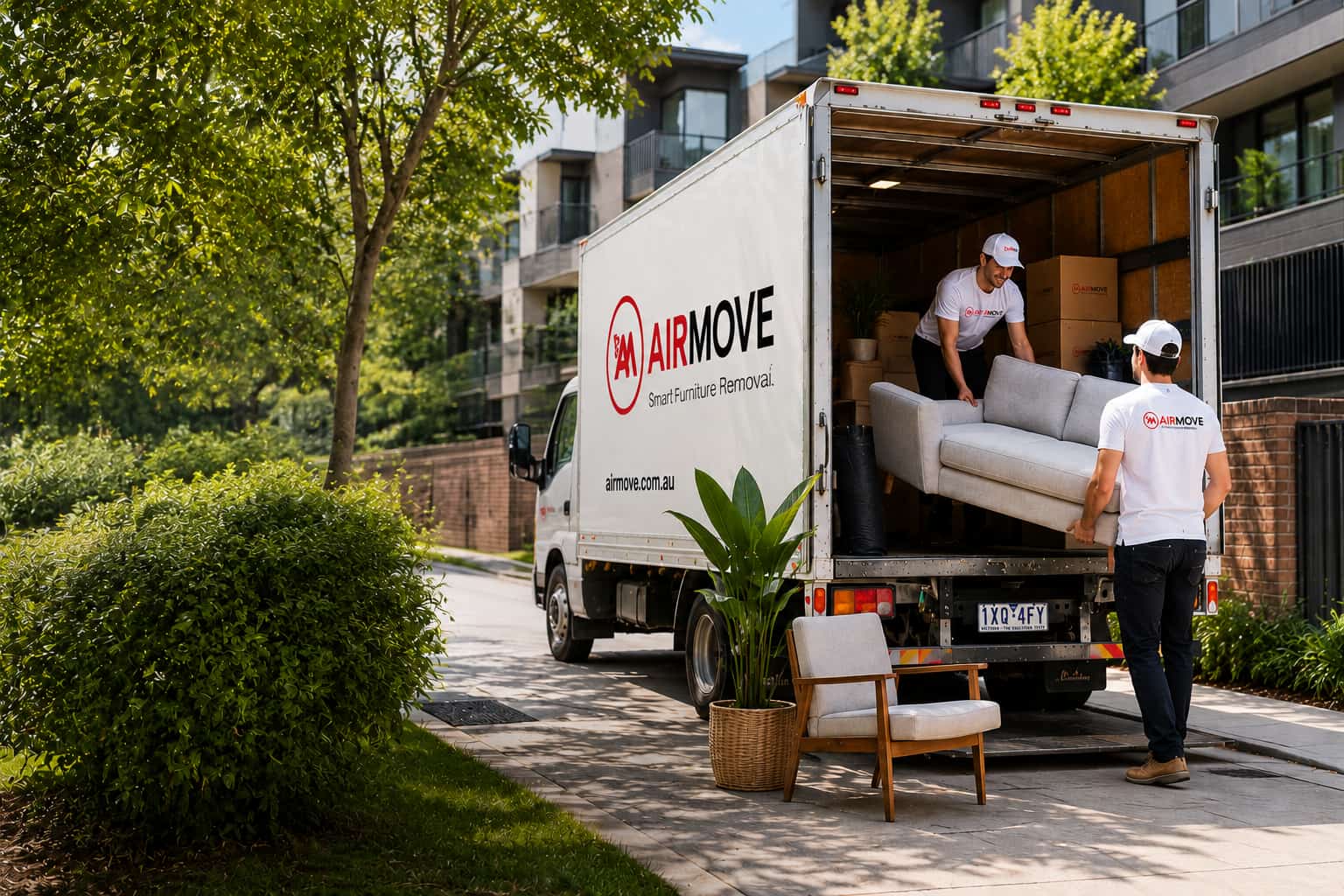
One of the biggest reasons couples use Airmove when moving in together is flexibility. Unlike traditional removalist services that are often designed for large family home relocations, Airmove is perfectly suited to situations where furniture needs to be moved from one or multiple locations into a new shared home. Many couples do not need a massive moving truck and a full-day moving crew. They simply need an efficient way to transport the larger items that cannot fit in a standard car. Whether it is a sofa from one apartment, a dining table from another property, a bed frame from a share house, or a washing machine from a storage unit, Airmove helps simplify the process. Instead of spending days organising trailers, borrowing vehicles, or coordinating multiple trips, couples can focus on settling into their new home while the furniture transportation is handled professionally.
Moving Furniture From Multiple Locations Does Not Have To Be Complicated
A challenge that is unique to couples moving in together is the need to combine furniture from separate homes. Traditional moving services are often designed around a single pickup point and a single delivery location. Moving in together rarely works that way. One partner may have a valuable dining table that needs collecting from an apartment building while the other has a sofa, bed, and appliances coming from a different suburb. Coordinating these pickups independently can quickly become overwhelming. Airmove helps simplify this process by providing a practical way to move furniture from different locations into one destination. This makes the transition significantly easier and removes one of the biggest logistical headaches associated with moving in together.
Apartment Moves Create Challenges Most People Never Expect
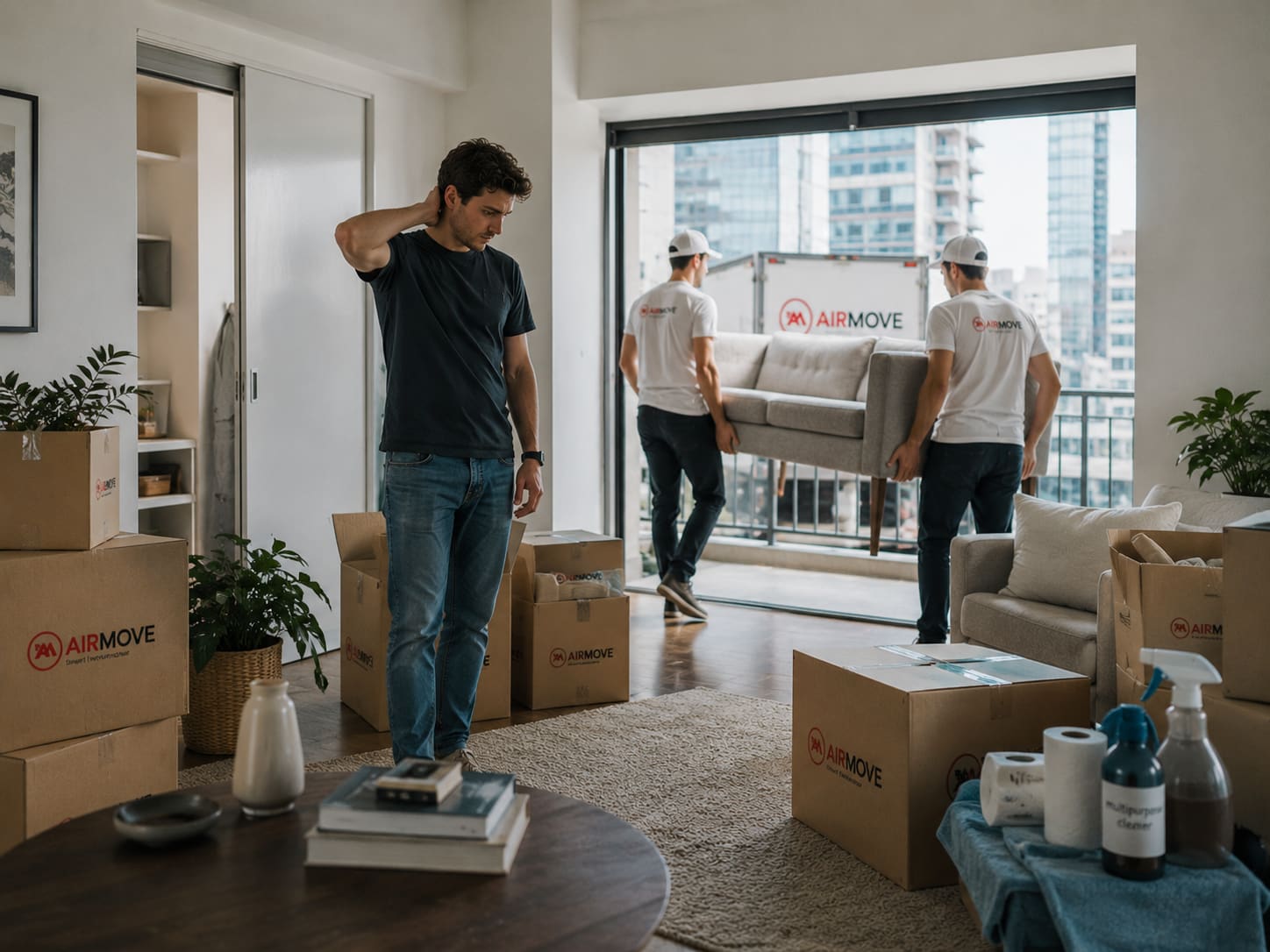
A large percentage of couples moving in together are relocating from apartments, and apartment buildings introduce a whole new set of challenges. There may be strict lift booking requirements, loading zone restrictions, limited parking, narrow hallways, building access regulations, and designated moving hours. These challenges become even more difficult when trying to move large furniture such as couches, wardrobes, refrigerators, and dining tables. What looks simple on paper can become incredibly time-consuming on moving day. Having a dedicated furniture transport solution helps reduce delays, minimise stress, and ensure that bulky items arrive safely at the new property. For couples already managing the emotional and practical aspects of moving in together, removing transport-related complications can make the entire experience much smoother.
What To Do With Duplicate Furniture And Household Items
One of the first things couples discover when combining households is that they own far more duplicate items than expected. There are often two coffee tables, two vacuum cleaners, two microwaves, multiple bookshelves, duplicate kitchen appliances, and several pieces of furniture competing for the same space. While it may be tempting to keep everything, this usually leads to unnecessary clutter. Instead, it is worth deciding early which items genuinely belong in the new home. Furniture that no longer fits can be sold through Facebook Marketplace, donated to local charities, or given to family and friends. Many couples use the opportunity to simplify their belongings and create a cleaner, more organised living space. The less unnecessary furniture that makes its way into the new home, the easier the move becomes.
The Conversations You Should Have Before Moving Day
Although furniture and logistics are major considerations, moving in together also requires important conversations before the move takes place. Couples should discuss how rent, utilities, and household expenses will be shared. Expectations around cleaning, personal space, routines, and guests should also be addressed. These conversations are much easier before moving day than after. Living together successfully depends on communication just as much as logistics. The more clarity both people have before moving in, the easier it becomes to navigate the adjustment period. A shared home works best when both people feel equally involved in creating it.
Why Planning Furniture Transport Early Saves Time, Money, And Stress
One of the most common mistakes couples make is leaving transport arrangements until the last minute. They spend weeks discussing properties, furniture layouts, and decorating ideas but only start thinking about how to move the furniture a few days before the move. This often leads to rushed decisions, unnecessary expenses, and stressful moving days. Planning furniture transport early gives couples a clear understanding of how large items will get from one location to another. It eliminates uncertainty and allows the move to happen in a more organised way. Whether the furniture is coming from apartments, share houses, family homes, or storage units, having a transport plan in place before moving day removes one of the biggest sources of stress.
The First Week After Moving In Matters More Than The Move Itself
Many couples focus so heavily on moving day that they forget about the week that follows. It is surprisingly easy to spend weeks living out of boxes if priorities are not established early. The most important goal during the first week is functionality. Bedrooms should be assembled first, essential kitchen items should be unpacked, internet and utilities should be operational, and daily necessities should be easily accessible. Once the essentials are organised, the home begins to feel comfortable and settled. Decorative items and less important belongings can be unpacked gradually. The faster couples establish a functional living environment, the more enjoyable the transition becomes.
Creating A Home That Feels Shared
Perhaps the most overlooked part of moving in together is creating a space where both people feel at home. It can be easy for one person’s furniture, decorations, and personal style to dominate the space, especially if most of the furniture comes from one household. A successful shared home should feel like a combination of both individuals rather than an extension of one person’s previous living arrangement. This often requires compromise, collaboration, and a willingness to make decisions together. The goal is not to recreate either person’s old home. It is to create something entirely new that reflects the relationship and the future both people are building together.
Final Thoughts
Moving in together is one of the most exciting milestones in a relationship, but it involves much more than simply sharing an address. It requires combining two homes, making furniture decisions, organising transportation, coordinating logistics, and creating a living environment that works for both people. While conversations about finances and routines are important, the practical challenge of moving furniture is often what catches couples by surprise. From transporting sofas and bed frames to coordinating pickups from multiple locations and navigating apartment building restrictions, logistics play a much larger role than most people expect. This is why Airmove has become a practical solution for couples moving in together. By helping transport the bulky furniture that forms the foundation of a new home, Airmove removes much of the stress associated with the moving process and allows couples to focus on what really matters: starting their next chapter together.